The latest escalation came after U.S. federal prosecutors indicted former Cuban leader Raúl Castro and five Cuban fighter pilots over the 1996 shootdown of two civilian planes operated by the Miami-based exile group Brothers to the Rescue. Four people were killed in the incident, including three U.S. citizens. Castro, 94, was Cuba's defense minister at the time and is accused of authorizing the deadly strike, according to AP.
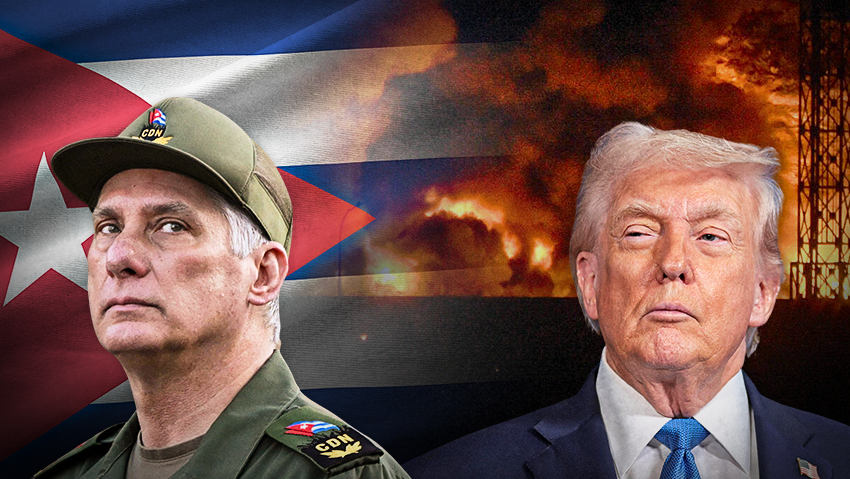
The indictment has fueled speculation that the Trump administration may be considering a more aggressive move against Havana, especially after the U.S. military operation earlier this year that captured Venezuelan leader Nicolás Maduro and brought him to the United States to face charges. Some U.S. hardliners have already called for Castro to be seized and brought to justice.
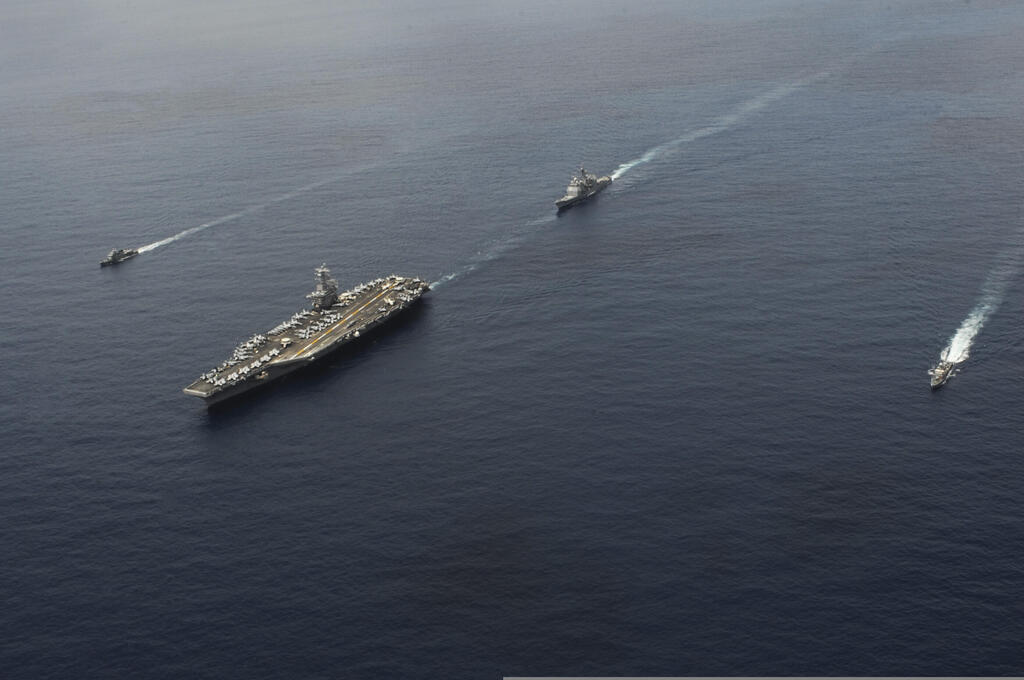
The legal move coincided with the arrival of the USS Nimitz carrier group in the Caribbean. AP reported that the deployment was described as part of regional maritime exercises, but it comes amid rising talk in Washington of potential military action against Cuba.
The Wall Street Journal also reported that the U.S. military has conducted more than 150 hours of surveillance flights around Cuba since February, using both drones and crewed aircraft. According to the report, the flights are meant to gather intelligence on Cuban military capabilities and monitor possible violations of the U.S. oil blockade, drug trafficking and illegal migration.
Washington has also warned of growing Chinese and Russian intelligence activity on the island. The Wall Street Journal reported that U.S. officials believe Beijing and Moscow operate intelligence facilities in Cuba close enough to monitor key American military commands in Florida. Cuban and Chinese officials have denied the allegations.
Cuba has been under communist rule since Fidel Castro's 1959 revolution and has faced U.S. sanctions for decades. The island lies about 140 kilometers from Florida, and successive U.S. administrations have viewed its alliances with American rivals as a strategic concern.
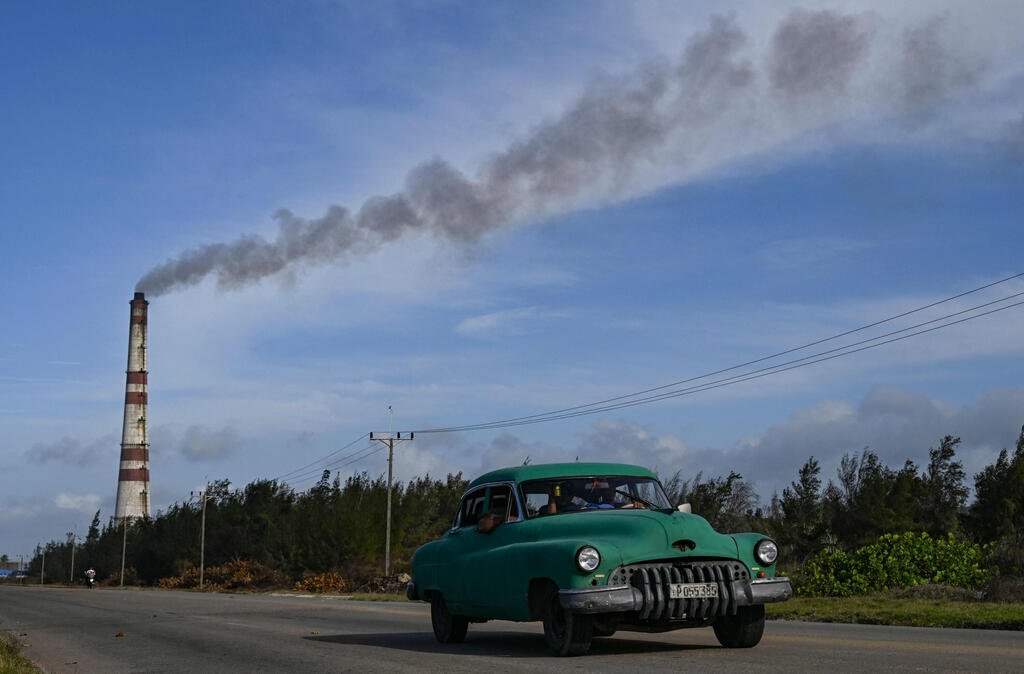
Since returning to the White House, Trump has adopted a more aggressive policy toward Latin America and the Caribbean. His administration has tightened economic pressure on Cuba, including measures that have worsened the island's fuel crisis. AP reported this week that a humanitarian aid ship from Mexico and Uruguay arrived in Havana with 1,700 tons of essential supplies, including grains, powdered milk and hygiene products, as Cuba struggles with worsening energy and food shortages.
The crisis has already produced widespread blackouts and growing hardship across the island. The Guardian reported in March that Cuban President Miguel DÃaz-Canel confirmed talks with Trump administration officials over the blockade, while insisting that Cuba's political system was not up for negotiation.
Trump has repeatedly hinted that Cuba could be forced into major political change. In March, he suggested that the United States could pursue what he called a “friendly takeover†of Cuba, according to reports at the time.
This week, AP reported that Trump said previous U.S. presidents had considered acting against Cuba for decades and suggested he may now be the president to do it, following the Castro indictment.
Secretary of State Marco Rubio, the son of Cuban immigrants and one of the administration's most hardline voices on Havana, has expressed doubt that diplomacy with the current Cuban government will succeed. AP reported that Rubio said the administration still prefers a negotiated resolution but is skeptical about reaching one.
Cuba, for its part, has accused Washington of manufacturing a pretext for military action. Cuban officials have rejected claims that the island poses a threat to the United States and have framed the indictment of Castro as part of a broader pressure campaign.
DÃaz-Canel warned this week that any U.S. military intervention would lead to a “bloodbath,†according to reports citing his comments on X.
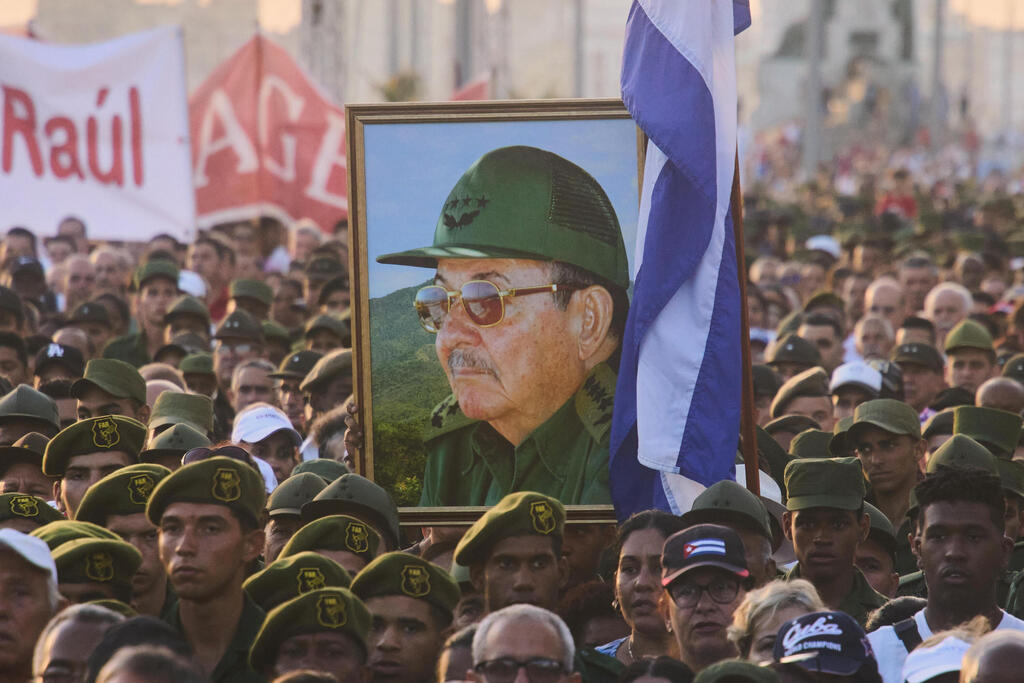
The Cuban government has also leaned into its long-standing doctrine of mass resistance. For decades, Havana's defense strategy has centered on the idea of a “war of the whole people,†built around guerrilla resistance in the event of a U.S. invasion.
But Cuba's regular military is far weaker than it was during the Cold War. The Wall Street Journal reported that Cuba's armed forces now rely on limited Soviet-era equipment, with a small active force and sharply constrained air and naval capabilities.
Analysts cited in recent coverage have warned that even a limited U.S. operation could become unpredictable. Cuba's leadership has spent decades preparing its population and security services for the possibility of an American attack, while the country's economic collapse could cut both ways: weakening the state, but also turning any intervention into a fight for regime survival.
For now, Washington is combining legal, economic and military pressure while leaving open the possibility of diplomacy. Havana is signaling defiance, accusing the United States of aggression and warning that it will resist. The result is a rapidly intensifying crisis in the Caribbean, unfolding at the same time as the Trump administration weighs its next steps on Iran.