The defendants face felony conspiracy and several misdemeanors, including unlawful assembly, willful restriction of free movement and multiple counts of false imprisonment.
DeJesus' testimony marked the first time he has spoken publicly about his involvement in the protest more than two years ago.
The San Francisco District Attorney's Office argues that the defendants' actions “clearly†broke the law: they planned to block traffic and trapped commuters when they chained themselves to parked vehicles and each other across the southbound lanes of the bridge.
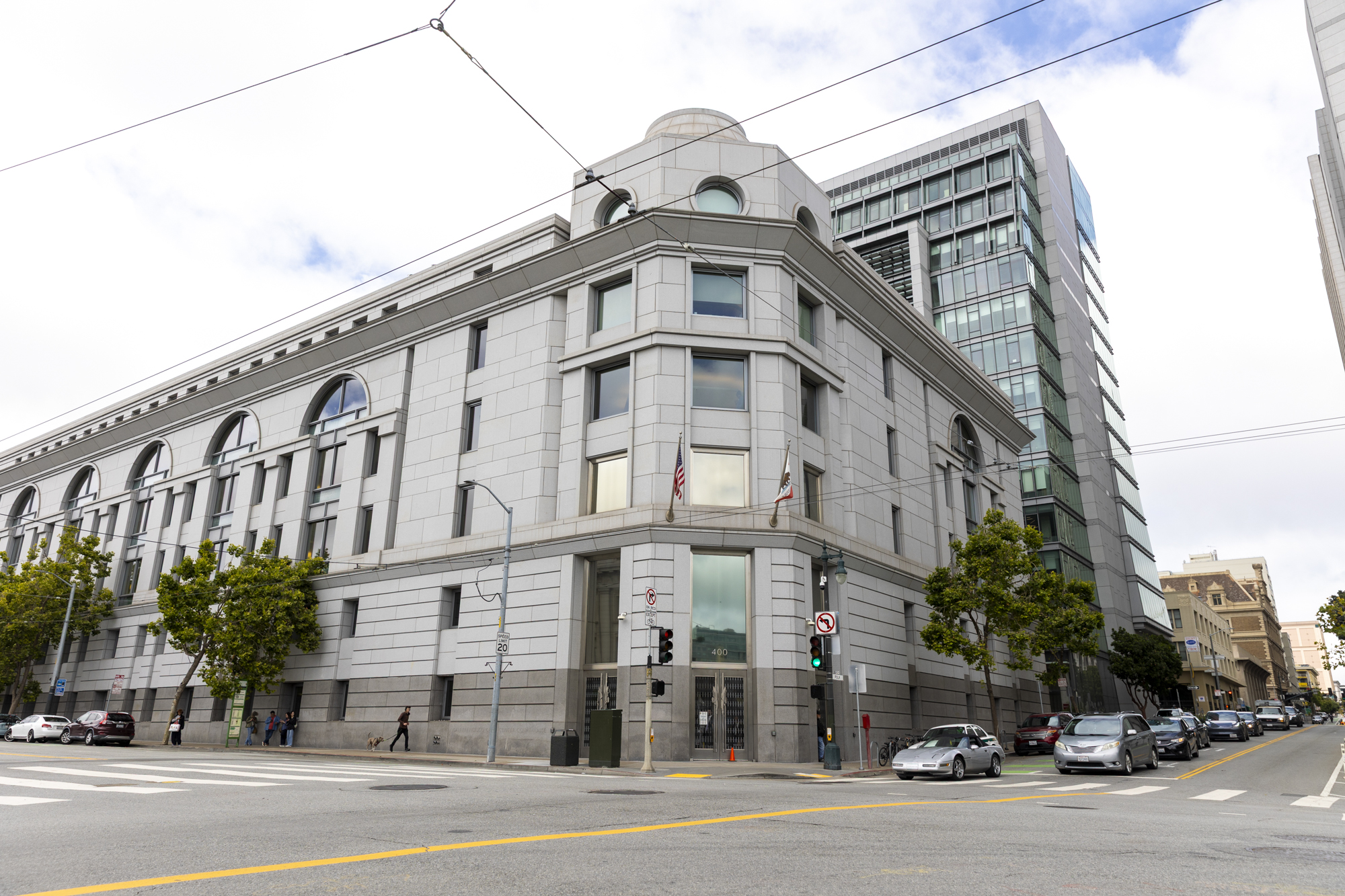
The demonstration was part of a multi-city effort to disrupt local and global economies and put pressure on the U.S. government to halt support for Israel's war in Gaza. Protesters shut down traffic on Interstate-880 in Oakland, and staged similar actions in San Diego, Seattle, Philadelphia, San Antonio, Chicago and Tallahassee, Florida.
Witnesses who took the stand earlier this week said that stalled in traffic trying to cross the Golden Gate Bridge, they missed shifts at work, and went hours without access to bathrooms and water.
Regina Schneider said she was taking U.S. Interstate 101 from Marin into San Francisco for a doctor's appointment. Sitting in her car, she was anxious and short of breath, she said.
But attorneys for the protesters are trying to prove that their clients believed their actions were justified under a necessity defense.
They'll need to show that the activists believed they were facing a real, specific and imminent threat to themselves or others; had no reasonable alternative to the action they took; did not create a greater danger than the danger they avoided; and did not contribute to or cause the threat.
DeJesus said that, at the time of the protest, he'd already been involved with pro-Palestinian activism, and had “exhausted†other means of trying to get the attention of political forces, including attending marches and writing to his local congresswoman.
He said at the time Israel was weighing whether to invade Rafah, a city along Gaza's southern border where 1 million displaced Palestinians were seeking refuge.
“We knew there were talks in the Israeli government to attack Rafah and we knew it was a good time to take action,†he said on the stand Friday.
He said he understands people's anger, and that the protest was inconvenient, but believed his actions were justified “because it was to prevent a greater evil.
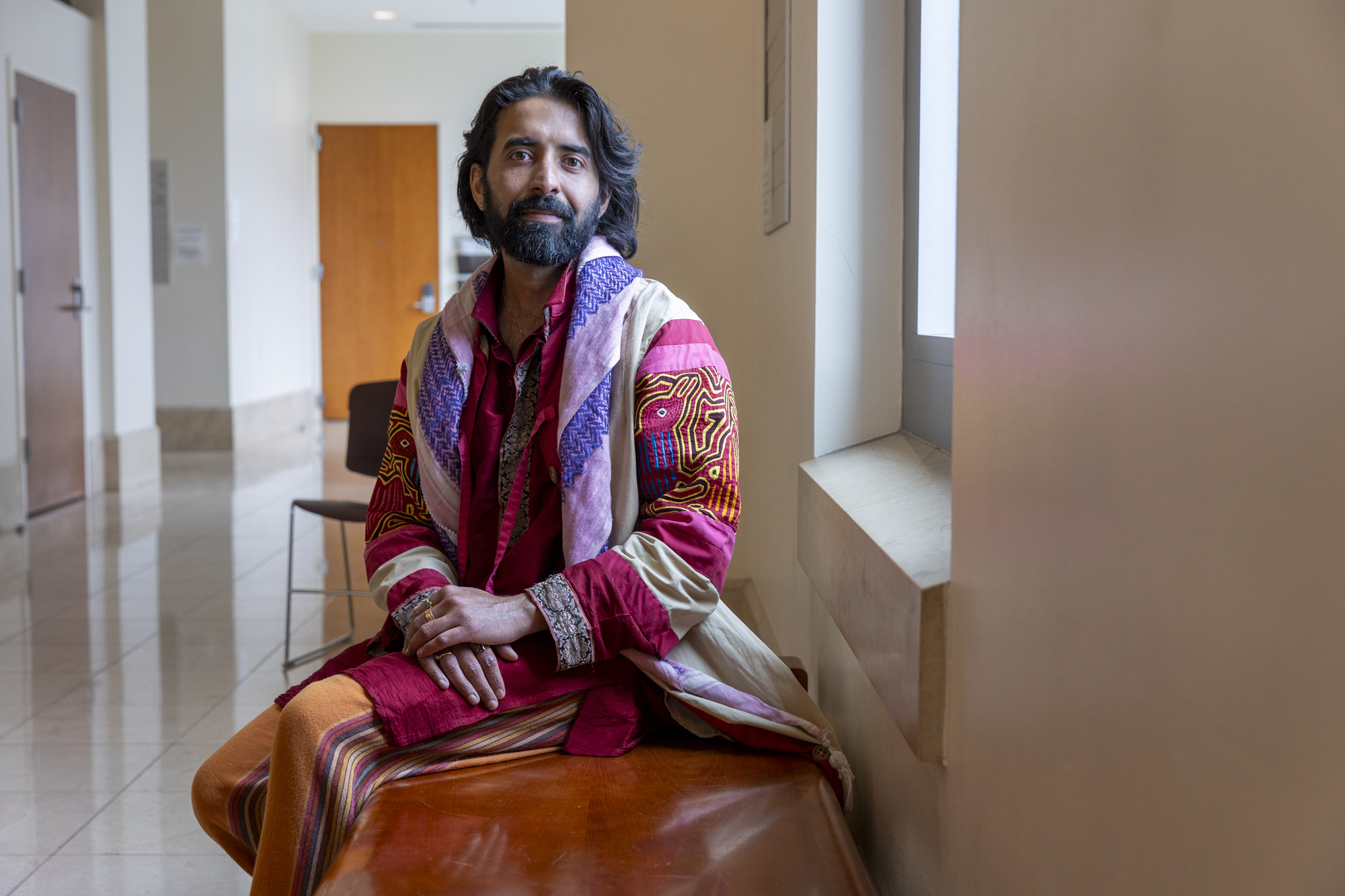
“I believed that, in doing so, we would be saving lives,†he testified.
Sarah Cantor, who faces the steepest sentence of the protesters for her role as their “police liaison,†testified that she believed her actions “would save at least one life, for at least one day.â€
She said she believed the coordinated day of action had the possibility to be more impactful than any individual protest, and that she saw herself as a “lightning rod†in the operation.
“It felt important for me to try to keep people safe and I knew as a white woman I am typically treated with respect by the police,†she said.
The prosecution focused much of its cross-examination of the protestors trying to clarify the timeline of events that led up to the protest on April 15, angling to develop a record of conspiracy by the defendants.
Assistant District Attorney Angela Roze asked DeJesus about a call he'd gotten from a friend the day prior to the protest, telling him where to meet in the morning. She asked if DeJesus knew where he would be going, and what the action was going to be.
He testified that he didn't recall and said the first time he knew he was going to the Golden Gate Bridge was that day, at the meeting location.
Cantor testified that protesters decided to target the bridge during a planning meeting in West Berkeley the night before the demonstration, attended by roughly 50 people, including all of the other defendants except DeJesus, where participants volunteered for specific roles.
The felony conspiracy carries the longest sentence, and is one of the harshest brought against activists involved in similar actions in the past. Six of the protesters could face 14 years in prison. Cantor could face 15.
Dozens of pro-Palestinian protesters who shut down westbound travel on the Bay Bridge in November 2023 were charged with misdemeanors and reached a deal with the San Francisco DA's office to avoid jail time.
Attorneys asked a judge last year to downgrade the felonies to misdemeanors, arguing that the protesters had been overcharged and targeted for their political beliefs, but the judge allowed the charges to stand.
Charges against another 19 protesters, who rounded out the group that refers to itself as the “Golden Gate 26,†have been dropped or thrown out over the last year and a half.